Archives
- 2026-10
- 2026-09
- 2026-08
- 2026-07
- 2026-06
- 2026-05
- 2026-04
- 2026-03
- 2026-02
- 2026-01
- 2025-12
- 2025-11
- 2025-10
- 2025-09
- 2025-03
- 2025-02
- 2025-01
- 2024-12
- 2024-11
- 2024-10
- 2024-09
- 2024-08
- 2024-07
- 2024-06
- 2024-05
- 2024-04
- 2024-03
- 2024-02
- 2024-01
- 2023-12
- 2023-11
- 2023-10
- 2023-09
- 2023-08
- 2023-06
- 2023-05
- 2023-04
- 2023-03
- 2023-02
- 2023-01
- 2022-12
- 2022-11
- 2022-10
- 2022-09
- 2022-08
- 2022-07
- 2022-06
- 2022-05
- 2022-04
- 2022-03
- 2022-02
- 2022-01
-
However relatively little information is available concernin
2023-12-04
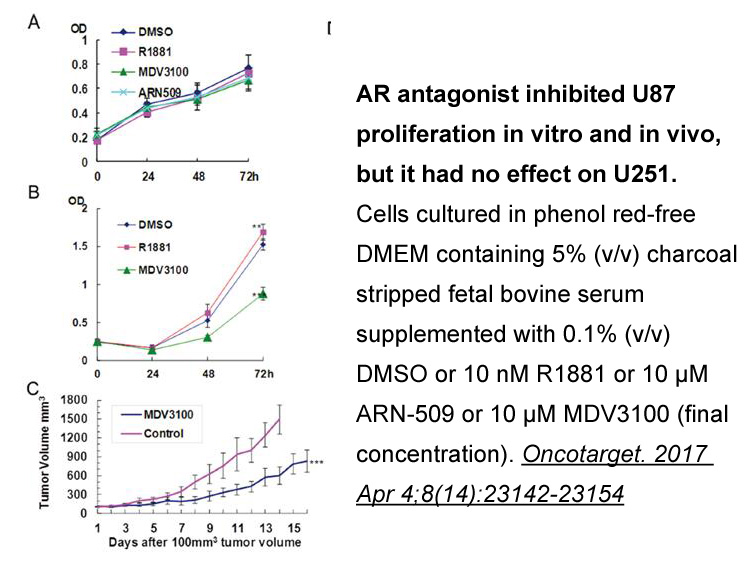
However, relatively little information is available concerning the biochemical properties and other features of such enzymes in Taeniid species. In the current report, a M17 leucine aminopeptidase gene of T. pisiformis (TpLAP) was cloned and expressed, and its enzymatic activity, biochemical propert
-
AUY-922 synthesis br Disclosure br Acknowledgments br Introd
2023-12-04
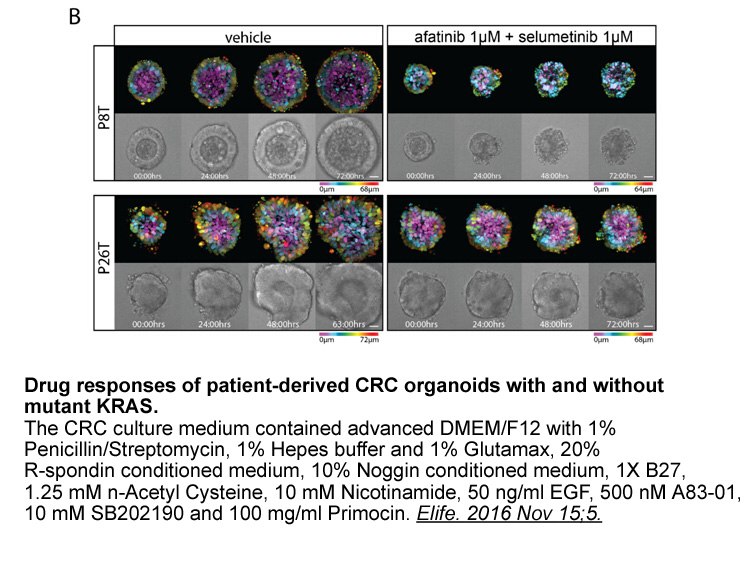
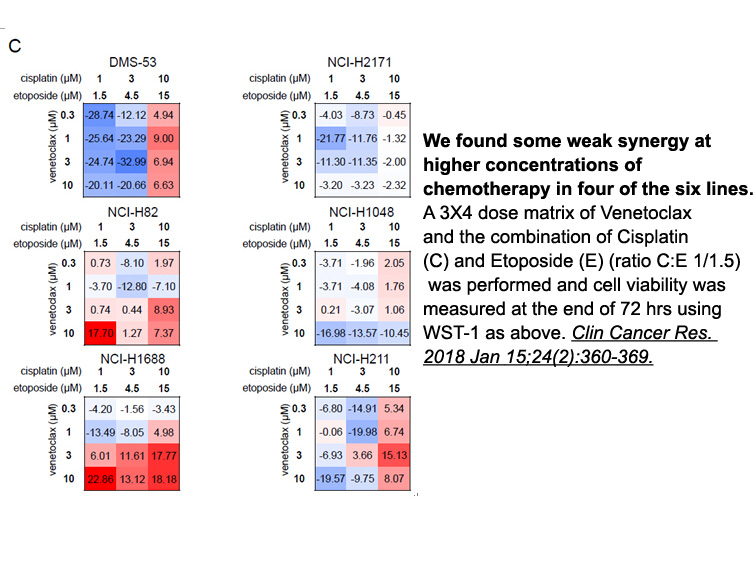
Disclosure Acknowledgments Introduction Deeper understanding of the pathobiology of non-small cell lung cancer (NSCLC) has led to the development of small AUY-922 synthesis that target genetic mutations known to play critical roles in the progression to metastatic disease. Mutations in epid
-
Sphingolipids such as ceramides and glucosylceramides are an
2023-12-04
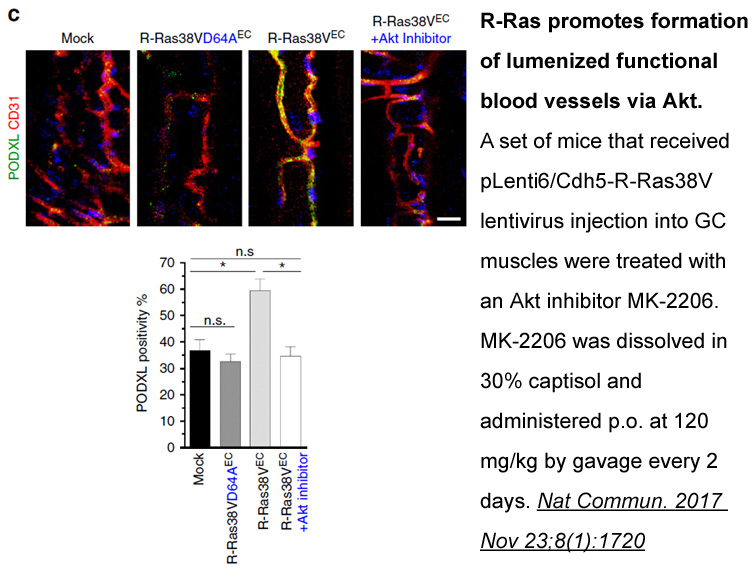
Sphingolipids, such as ceramides and glucosylceramides, are an important class of bioactive lipids. The levels of these lipids change as a function of adipose tissue mass and functionality, and are partially driven by cellular availability of palmitoyl-CoA. Aberrant accumulation of ceramide, glucosy
-
The obtained results indicate that even when
2023-12-04
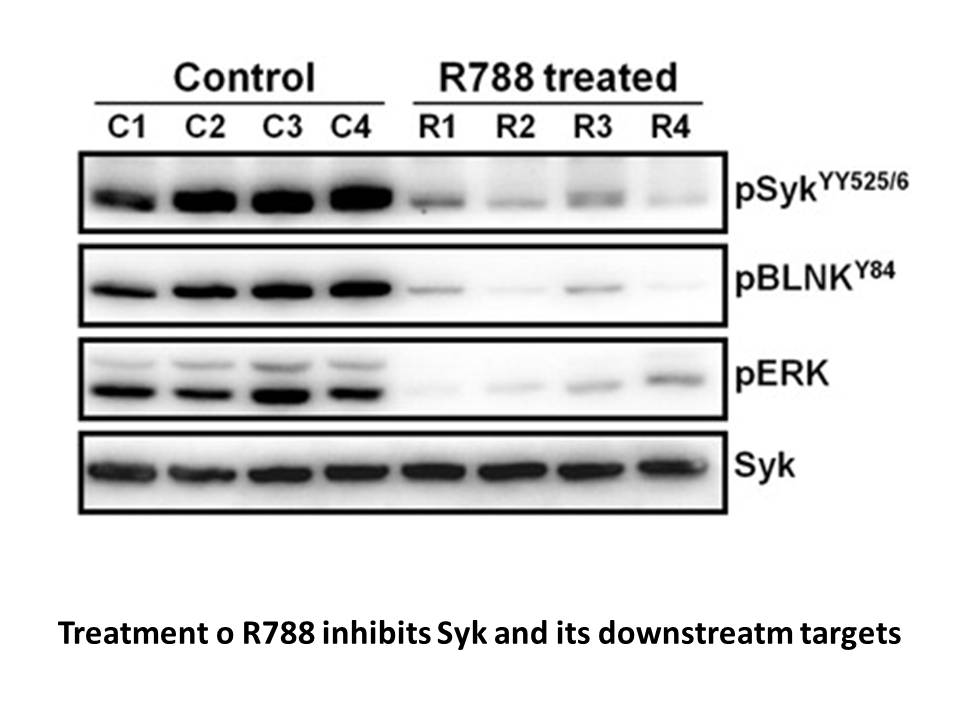
The obtained results indicate that even when the impairment of the same forms of memory are present, amnesia can develop in different ways. Impairment of memory reconsolidation in the conditioned food aversion model through both the serotonin receptor antagonist and the antagonist of NMDA glutamate
-
br Effective therapeutic window of
2023-12-04
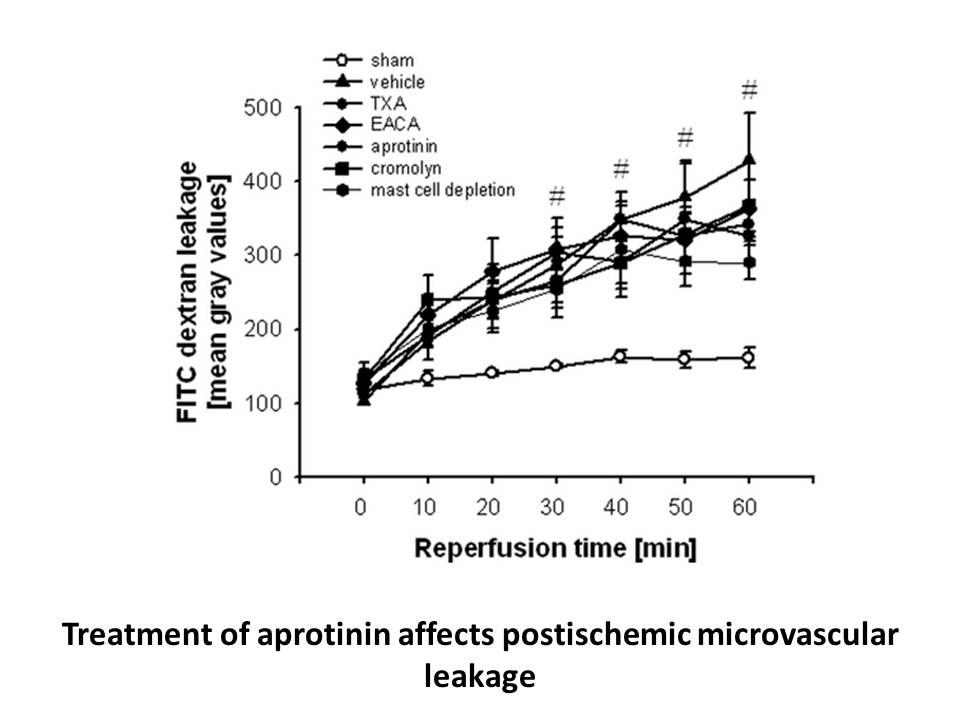
Effective therapeutic window of AR actions on ROP Retinal vasculature undergoes critical developmental changes postnatally: from P7 onward the superficial GSK2879552 start sprouting vertically in retina to form first the deep then the intermediated vascular plexus in the retina of C57BL/6 mice (
-
Both subcutaneous s c and mucosal administration of s
2023-12-04
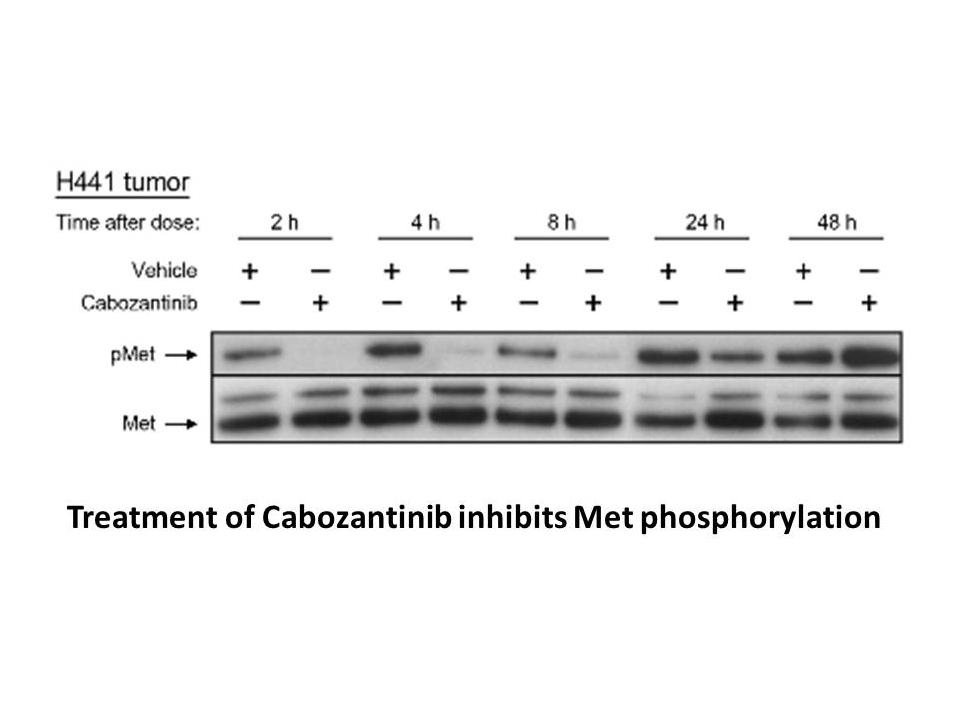
Both subcutaneous (s.c.) and mucosal administration of short synthetic peptide derivatives of AChR prevent the onset of EAMG, but do not treat ongoing EAMG [80], [81], [82], [83], [84], [85]. The selection of peptides for treatment is mainly based on the identification of immunodominant T- and B-cel
-
In these experiments recordings were performed continuously
2023-12-04

In these experiments, recordings were performed continuously in the homecage and during the first 5 days of training on a randomized forced alternation T-maze working memory task (Figures 1A, 1B, 3A, and 3B) (Kucewicz et al., 2011). Sleep and wake states were determined by simultaneous recording of
-
br Materials and methods br Results and
2023-12-04
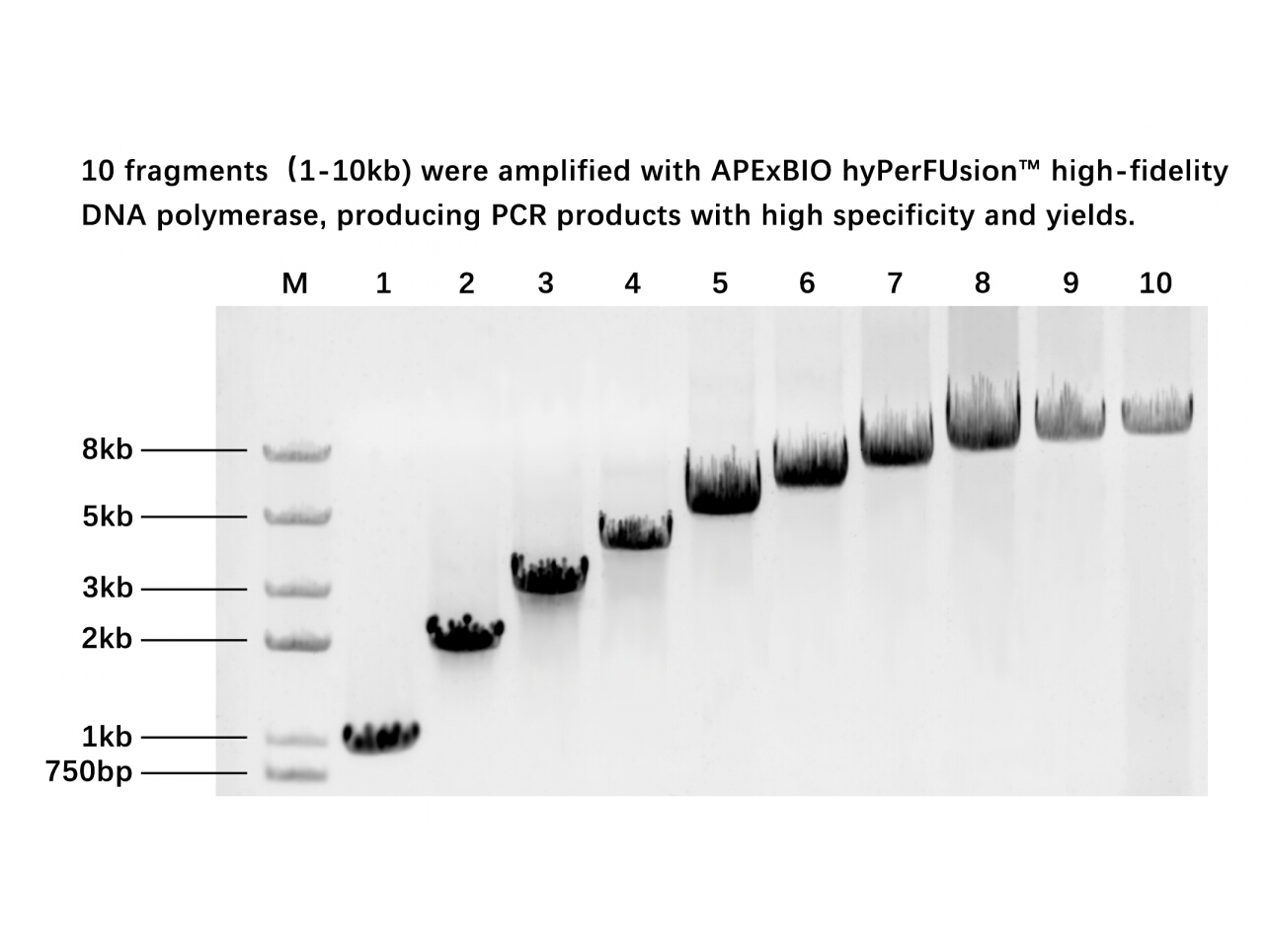
Materials and methods Results and discussions Conclusion Fermented camel milk with NS4 exhibited remarkable ACE-inhibitory activity, which revealed its potential application for the preparation of fermented camel milk beverage or fermented camel milk derived peptides in different foods or i
-
A review has recently been published to evaluate
2023-12-04
A review has recently been published to evaluate the potential effects of food, alcohol and Fer-1 mg juices on the pharmacokinetics and pharmacodynamics of the drugs for BPH. The authors reviewed the PubMed database during the years 1991–2015. In addition, a digital version of Stockley on drug inte
-
Through activation of the CD
2023-12-02
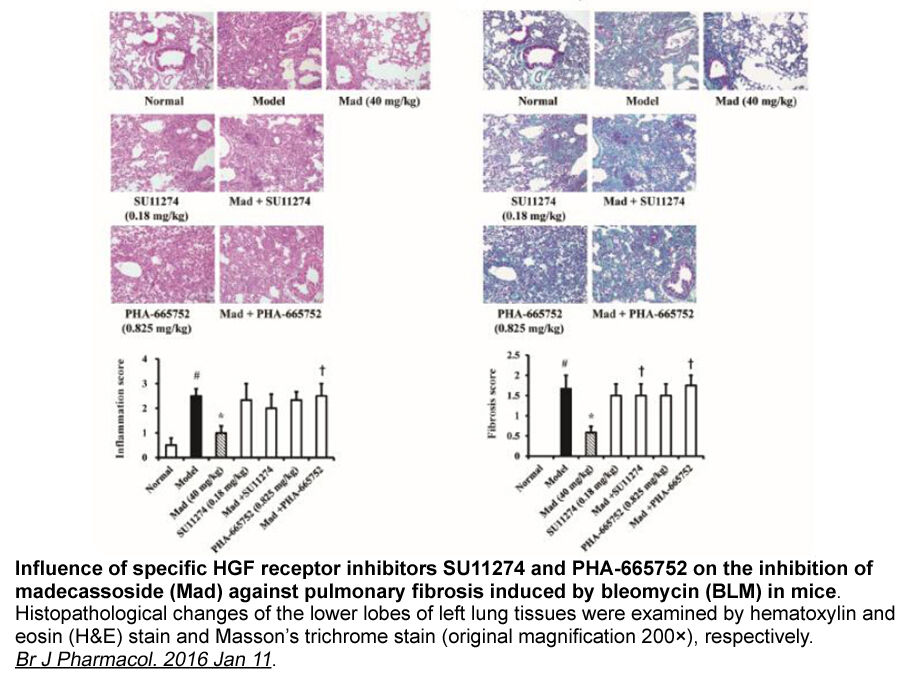
Through activation of the CD46–GOPC pathway, attenuated/vaccinal MeVs rapidly induce a transient phase of autophagy which then diminishes with no signs of negative regulation and precedes a second autophagy phase related to viral protein synthesis [115]. In sharp contrast, virulent MeVs do not inter
-
In Rainey et al published the results of a targeted
2023-12-02
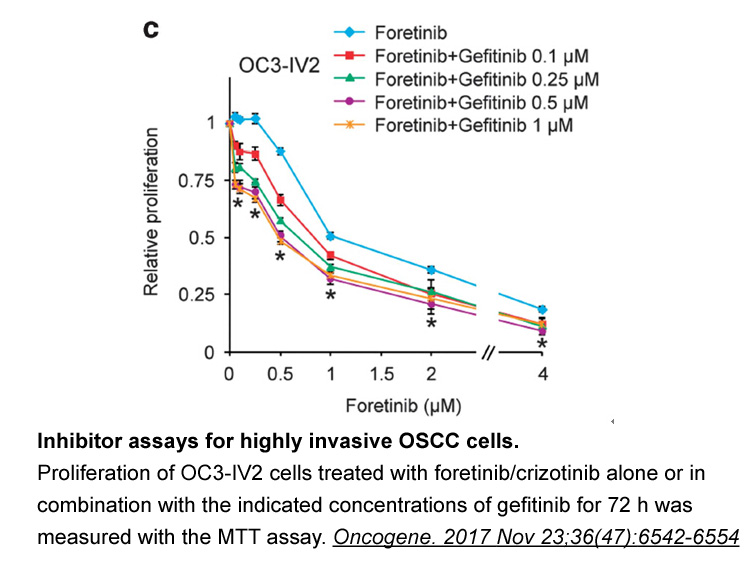
In 2008, Rainey et al. published the results of a targeted compound library screen for potential inhibitors of the ATM kinase. In this study, the compound CP466722 was identified as a highly selective and rapidly reversible ATM inhibitor, which did not inhibit PI3K or related PIKK family members. Mo
-
Non steroidal anti inflammatory drugs which include aspirin
2023-12-02
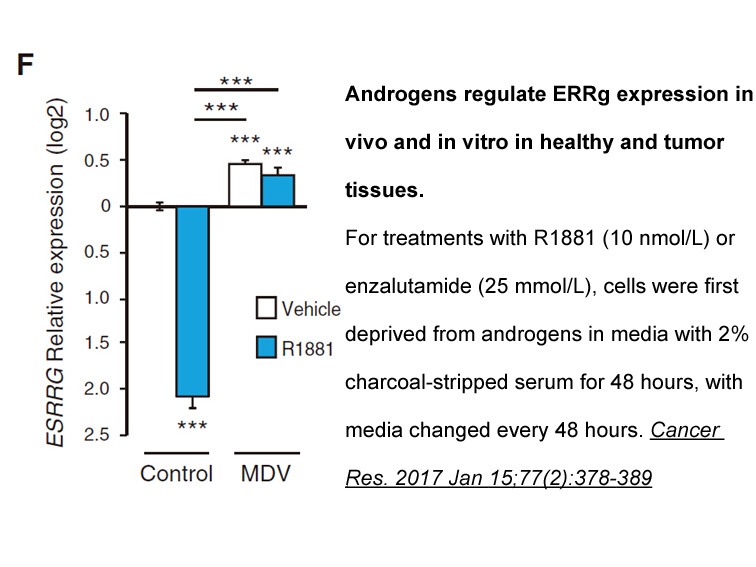
Non-steroidal anti-inflammatory drugs, which include aspirin and ibuprofen, target COX-2 activity to inhibit inflammation. It has been shown that daily use of a nonsteroidal anti-inflammatory drugs is associated with reduced ER-positive breast cancer recurrence in obese and overweight women. More pr
-
In addition understanding the relationship between human met
2023-12-02
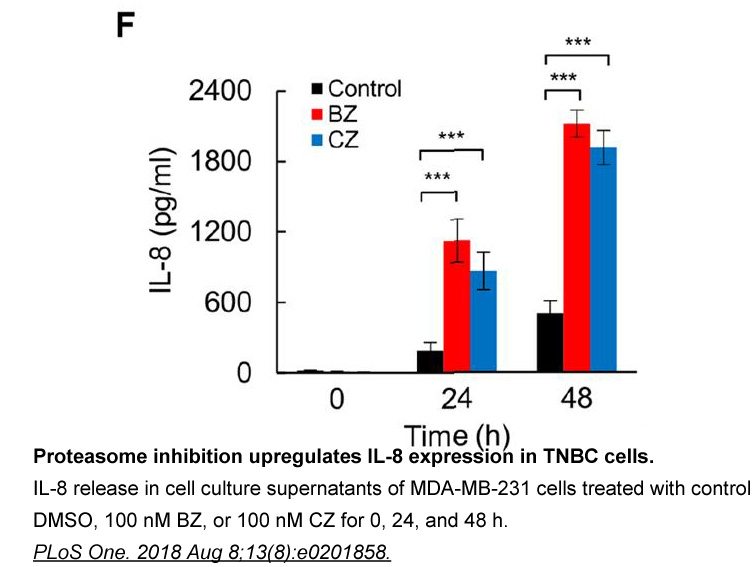
In addition, understanding the relationship between human metabolic processes and dietary antioxidant intake would provide opportunities for altering the diet to improve health (Prior, 2015). Prior et al. (2007) emphasized that excess reactive oxygen species, which occurred during the metabolism of
-
Irinotecan HCl Trihydrate br Conclusions The present protoco
2023-12-02
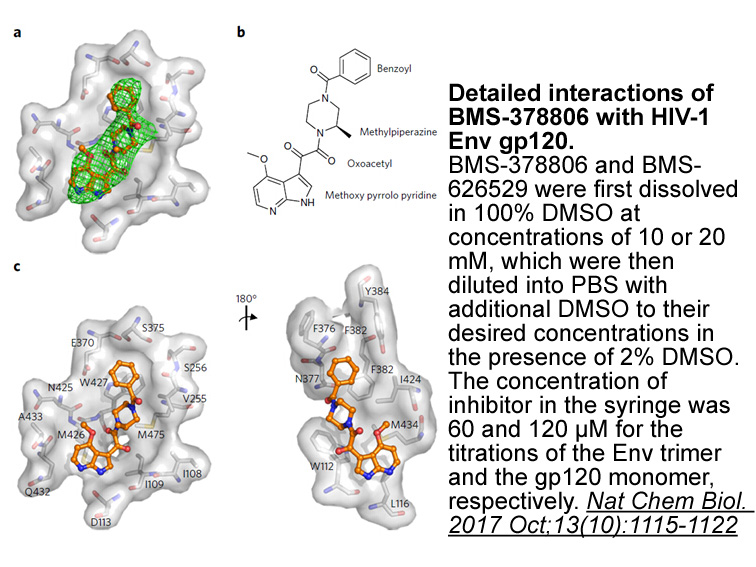
Conclusions The present protocol for localizing or “spotting” the site of action of an antioxidant in a micro-heterogeneous medium is based on the differences in its reactivity vis-à-vis the series of amphiphobic TEMPO derivatives 1a–f. Plots of the relative antioxidant effectiveness of a given A
-
Consistent with the above prediction there are additional re
2023-12-02
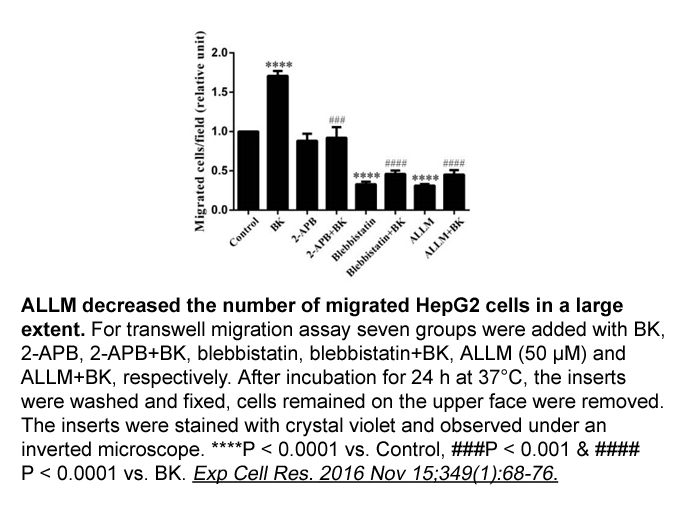
Consistent with the above prediction, there are additional reports in which HMGA proteins have been demonstrated to facilitate recruitment of chromatin remodeling complexes to gene regulatory regions containing positioned nucleosomes during the transcriptional activation process. One particularly il
8120 records 266/542 page Previous Next First page 上5页 266267268269270 下5页 Last page